THE STORY OF
Tequila
From sacred agave to protected denomination — five centuries of craft, regulation, and terroir.
Origins & Ancient Roots
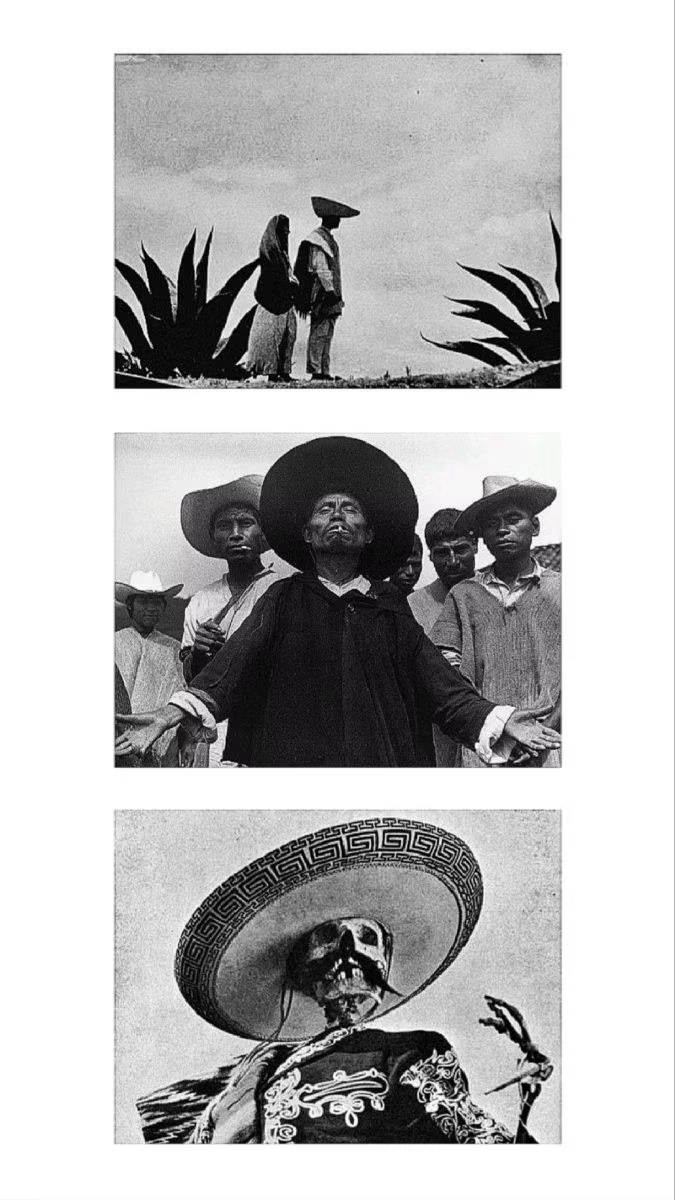
Long before the Spanish arrived in the Americas, the indigenous peoples of western Mexico had cultivated a profound relationship with the agave plant. The Aztecs and earlier civilizations fermented the sap of the agave into pulque, a milky, mildly alcoholic beverage central to religious ceremonies, medicinal practice, and daily sustenance. The agave was not merely a crop — it was a sacred organism, embodied in the goddess Mayahuel, who represented fertility, nourishment, and the earth's generosity.
When Spanish conquistadors arrived in the 16th century, they brought with them the knowledge of distillation. Finding their brandy supplies dwindling, they turned to the local agave ferments and applied copper-pot distillation techniques to produce a new spirit — the earliest ancestor of what we now call tequila. This convergence of indigenous agricultural wisdom and European distillation technology created a spirit category unlike any other, rooted in a specific place, a specific plant, and centuries of accumulated knowledge.
Tequila is not invented — it is inherited. Every bottle carries the weight of civilizations that understood the agave long before distillation existed.
At a Glance
DO Recognition
1974
Protected States
5
Primary Agave
Blue Weber
Classifications
5
Production Process
Harvesting
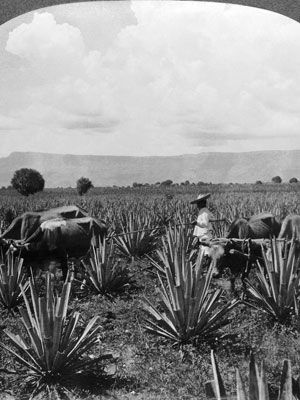
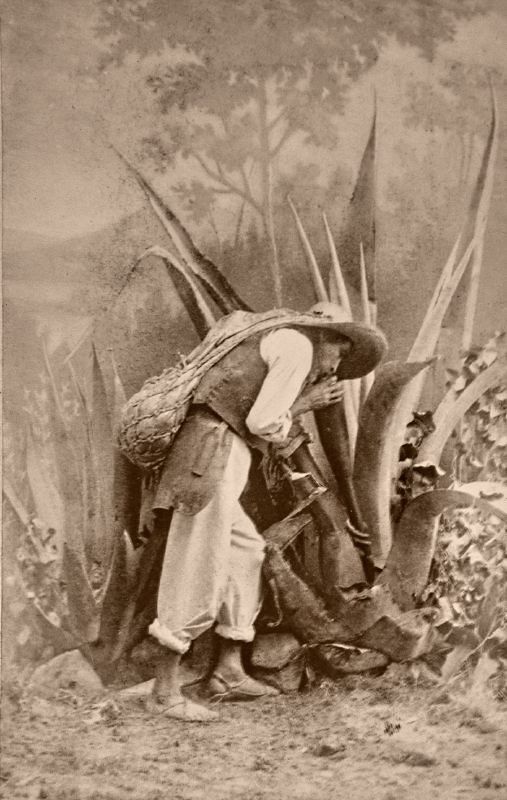
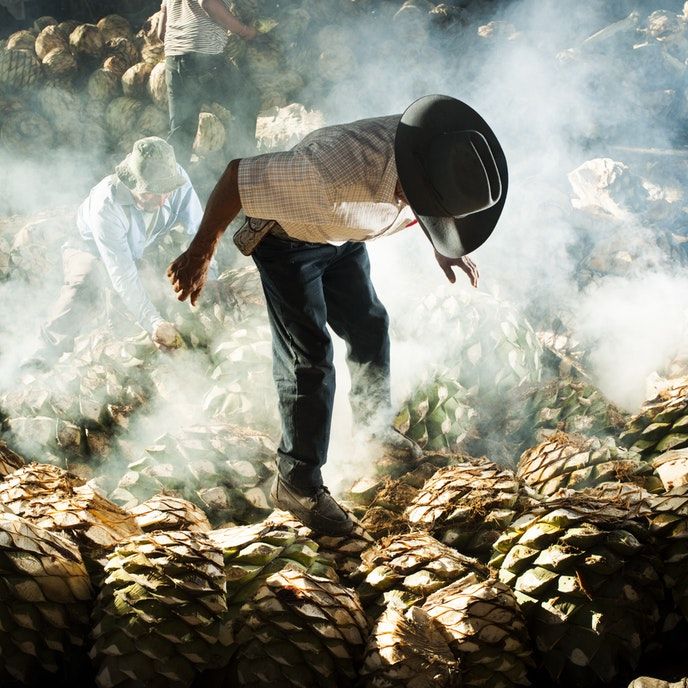
Jimadores hand-harvest mature Blue Weber agave after 6–8 years of growth, removing the leaves with a coa to reveal the piña — the heart of the plant, weighing 30–90 kg.
Cooking
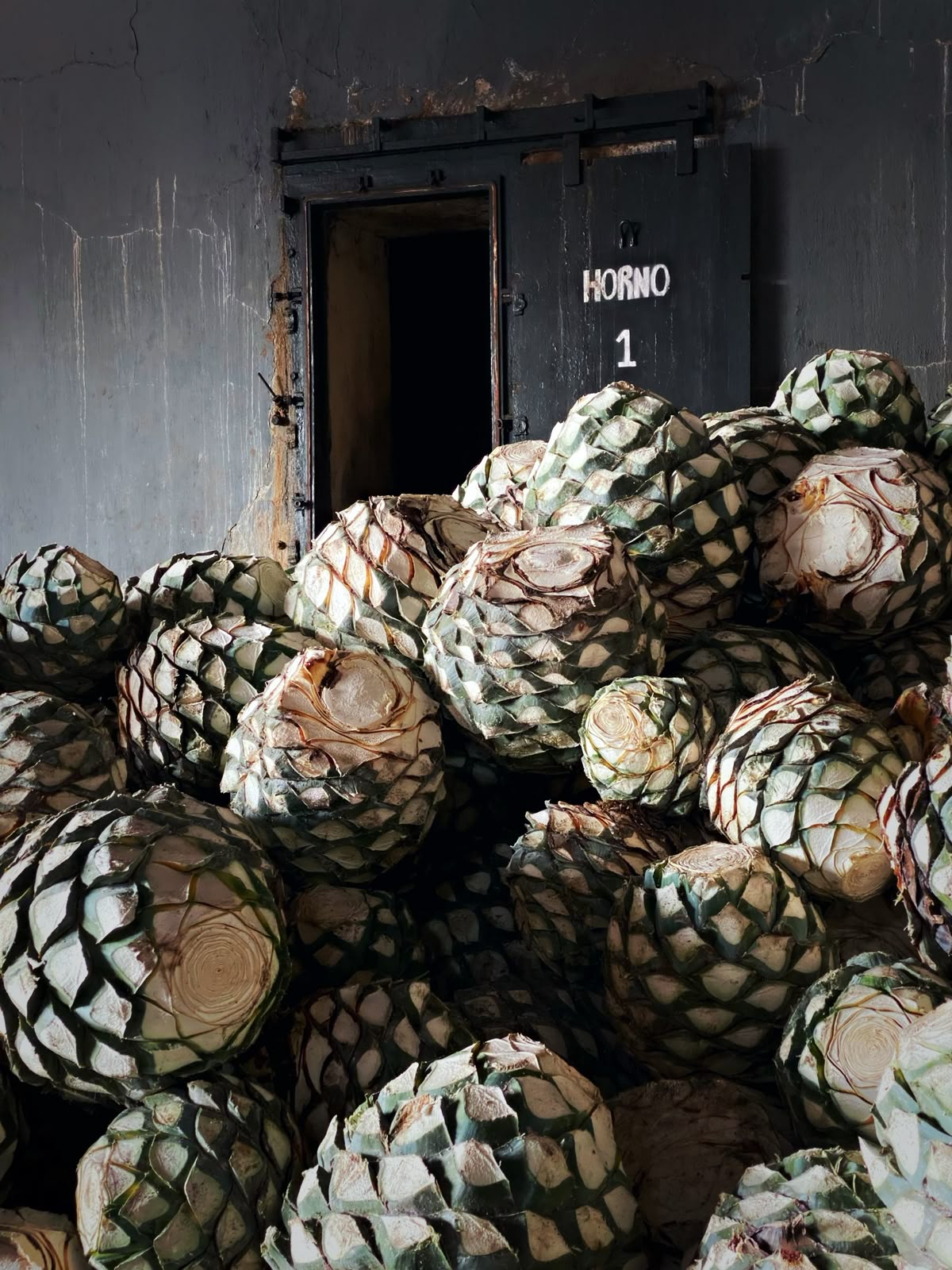
Piñas are slow-cooked in traditional stone ovens (hornos) for 24–48 hours or in autoclaves, converting complex starches into fermentable sugars through hydrolysis.
Milling
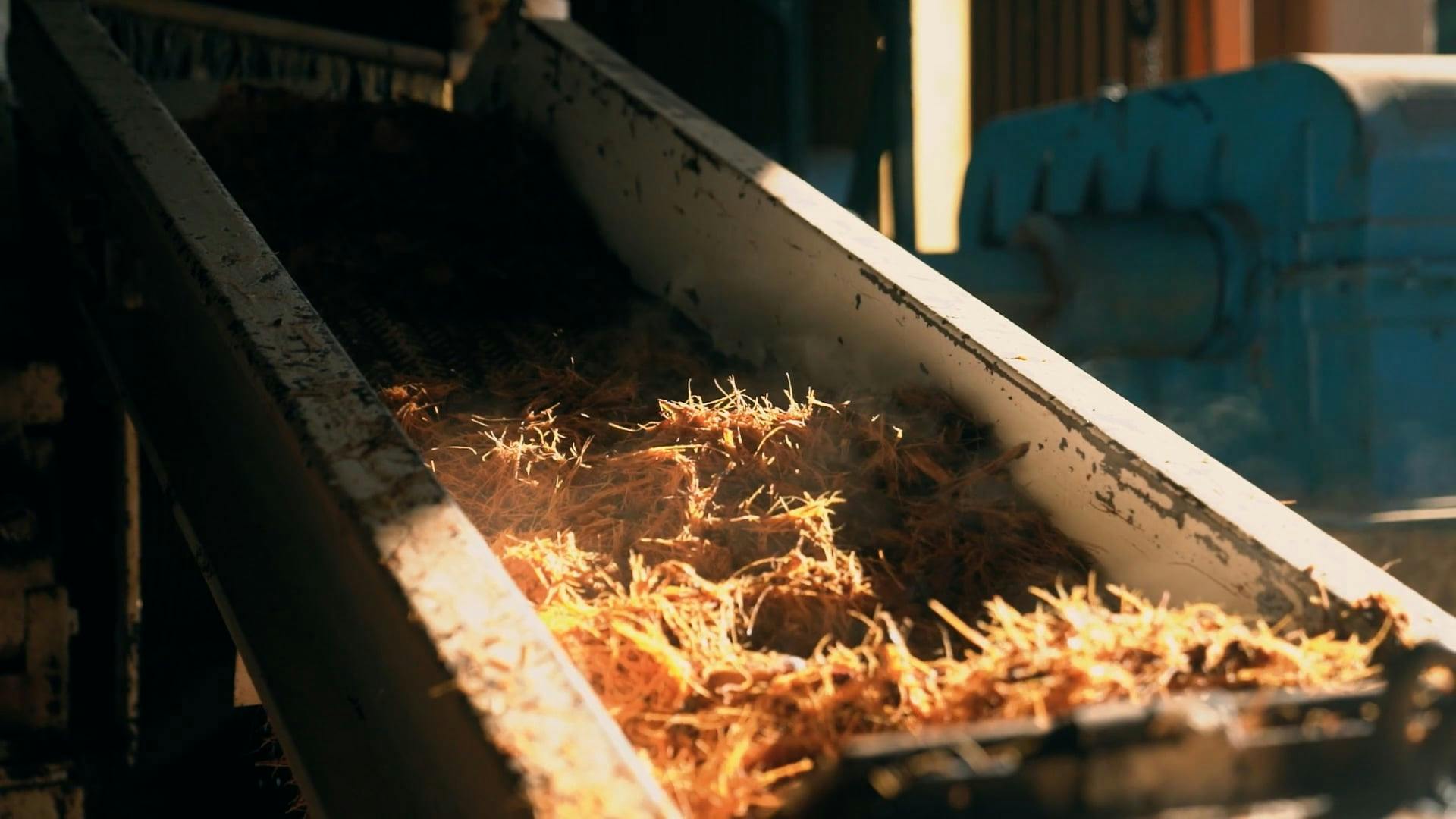
Cooked agave is crushed to extract the sweet juice (aguamiel). Traditional tahona stone wheels or modern roller mills separate the fibers from the fermentable liquid.
Fermentation
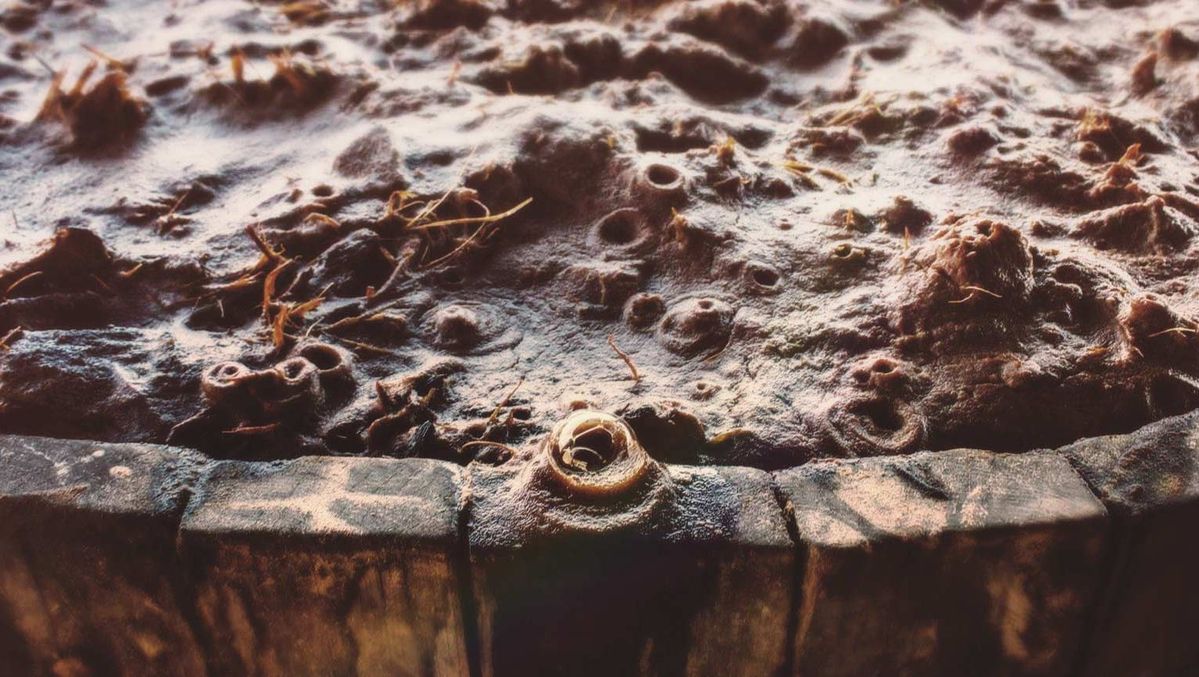
Extracted juice ferments in wooden vats or stainless steel tanks for 3–5 days. Yeast converts sugars into alcohol, developing the spirit's foundational flavor profile.
Distillation
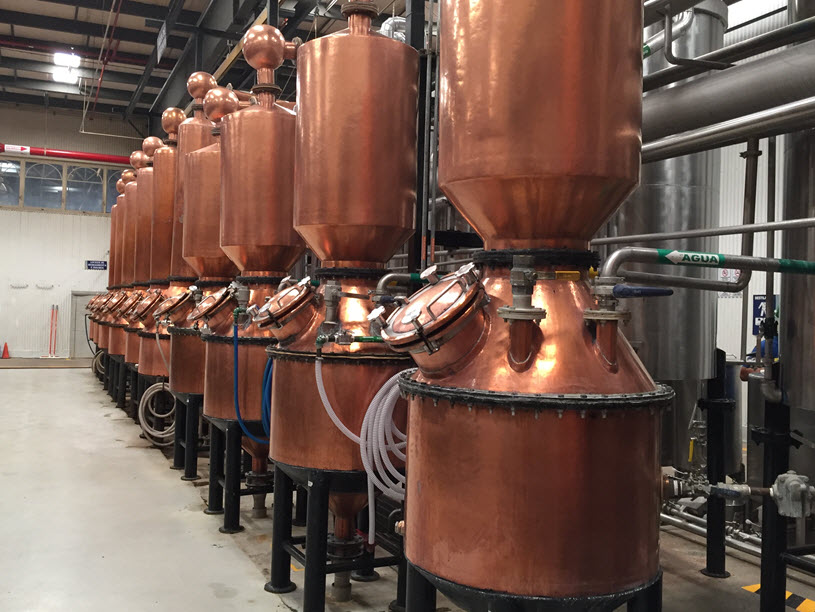
Double distillation in copper pot stills or stainless steel column stills refines the spirit. The first distillation produces ordinario; the second yields tequila at 55–75% ABV.
Aging
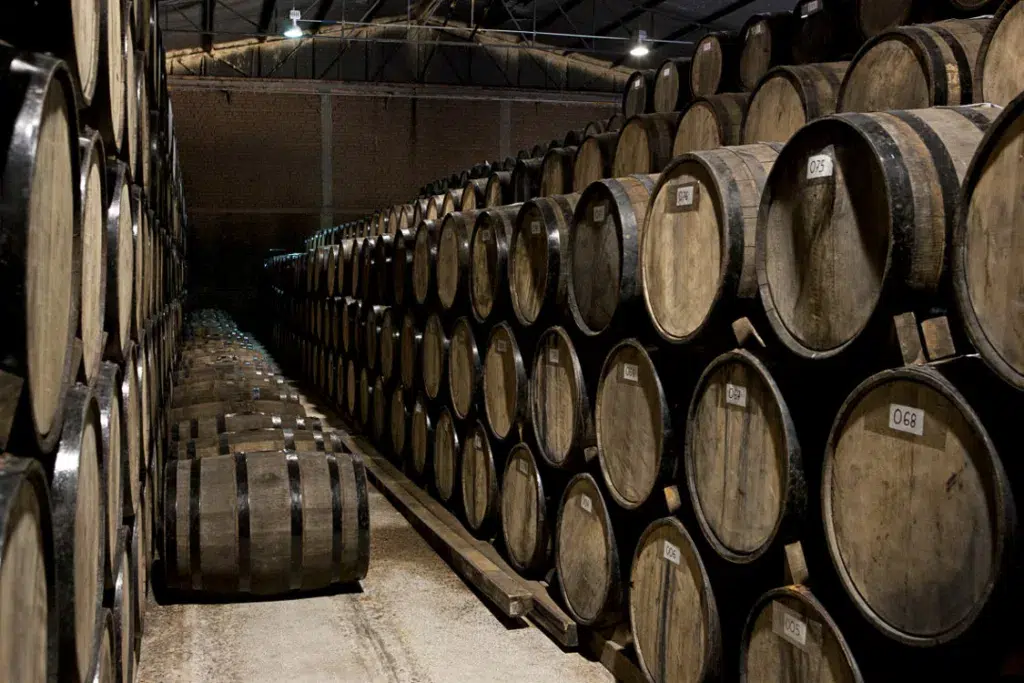
Blanco rests briefly; Reposado ages 2–12 months; Añejo 1–3 years; Extra Añejo over 3 years — all in oak barrels that impart color, complexity, and smoothness.
Regions & Terroir
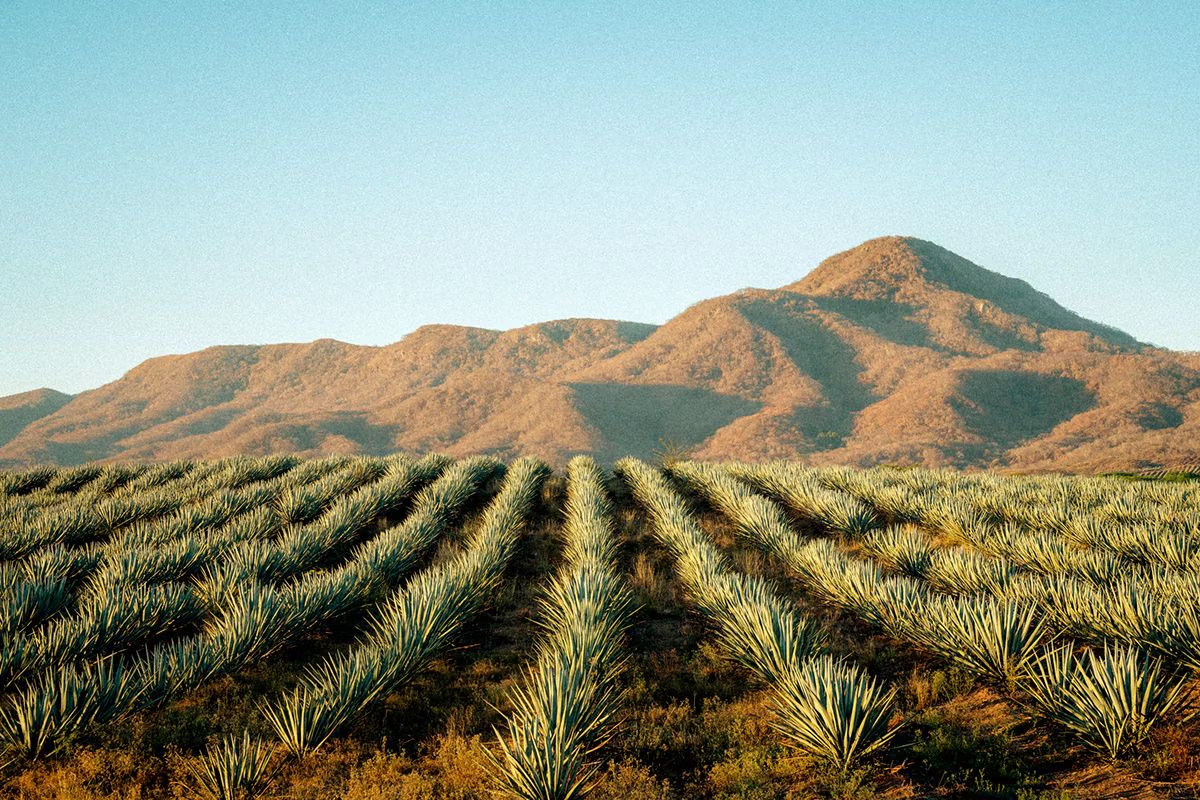
Tequila's Denomination of Origin encompasses five Mexican states, but the spirit's character is most profoundly shaped by the distinction between Jalisco's Highland and Lowland regions.
Cultural Significance
Tequila transcends its identity as a spirit — it is a cultural artifact that embodies Mexican national pride, agricultural heritage, and the philosophy that great things require patience. The jimador who harvests the agave practices a craft passed through generations, reading the plant's maturity by subtle visual cues that no machine can replicate. The master distiller balances tradition with precision, knowing that each decision — from cooking time to cut points — shapes the final expression.
In 2006, UNESCO recognized the agave landscape of Tequila, Jalisco as a World Heritage Site, acknowledging the inseparable bond between the spirit, the land, and the people who tend it. The Consejo Regulador del Tequila (CRT) maintains rigorous oversight, ensuring that every bottle bearing the name 'tequila' meets the standards codified in NOM-006-SCFI-2012. For the European market, this regulatory framework provides an unparalleled guarantee of authenticity — a chain of custody from field to glass.
“The agave landscape of Tequila is not just agriculture — it is a living cultural tradition recognized by UNESCO as irreplaceable heritage.
”