
The Plant
The Agave
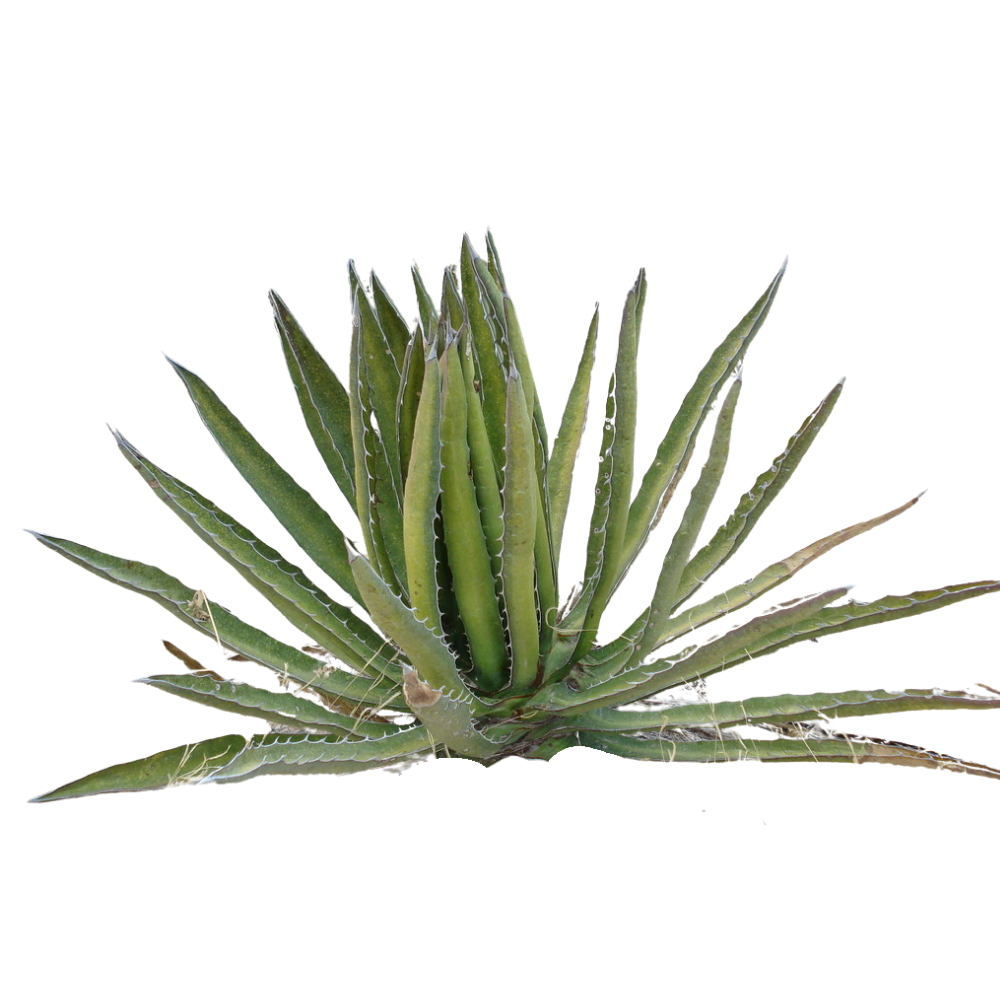
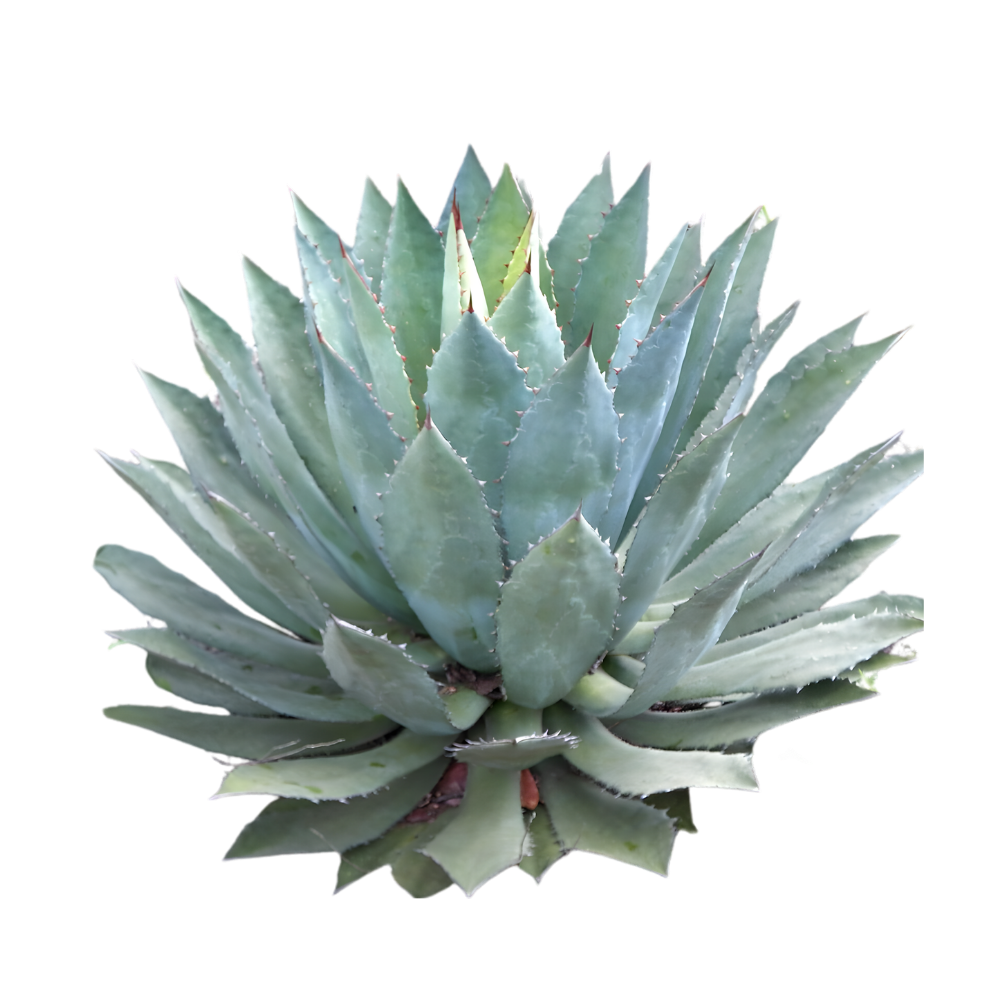
Over 200 species, only a handful distilled into spirits. Each variety carries the terroir of its homeland — shaping the character of tequila, mezcal, and Raicilla.
Profiles
Know Your Agave


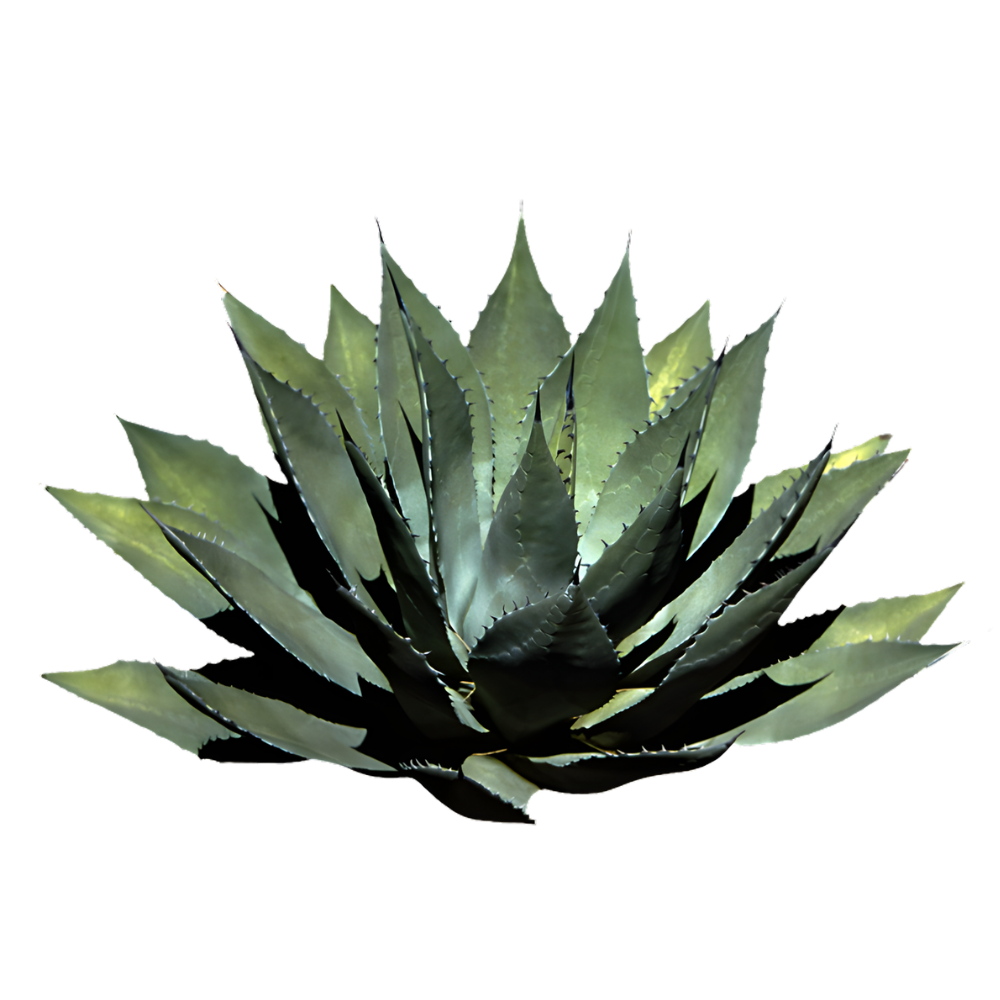
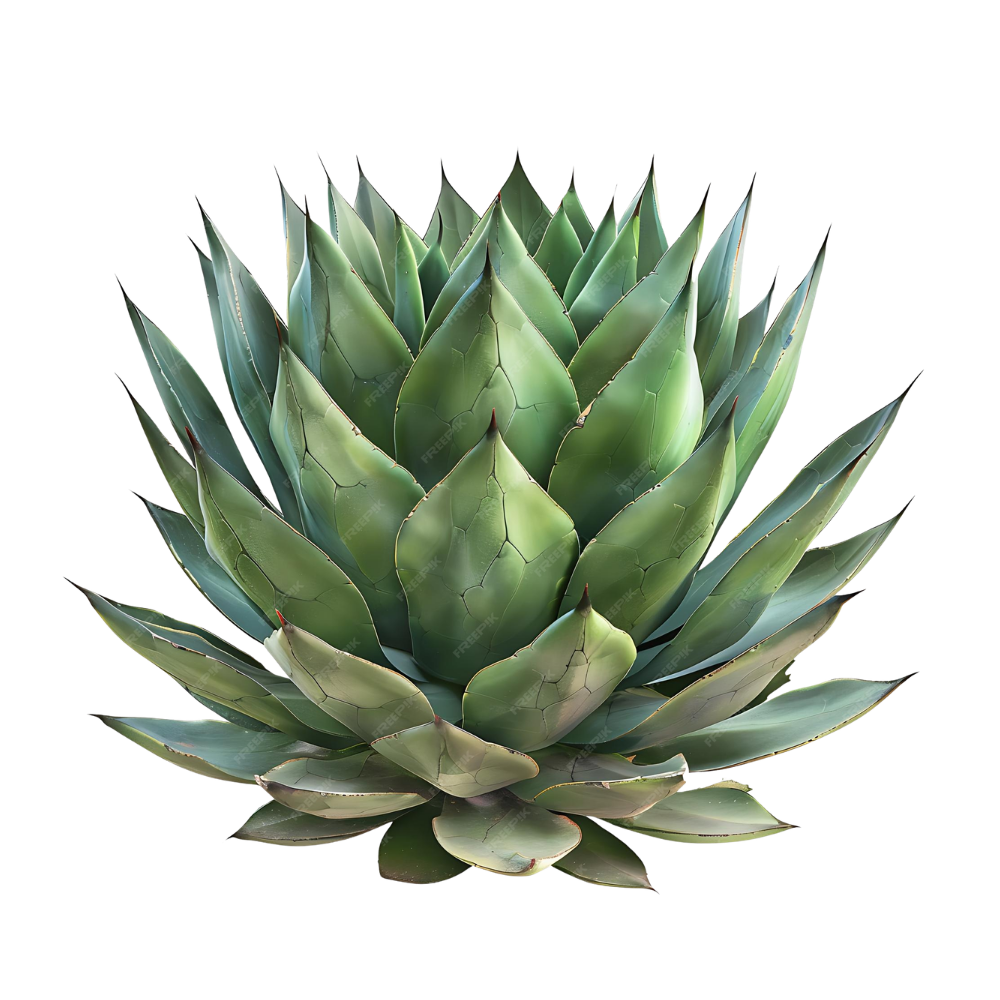
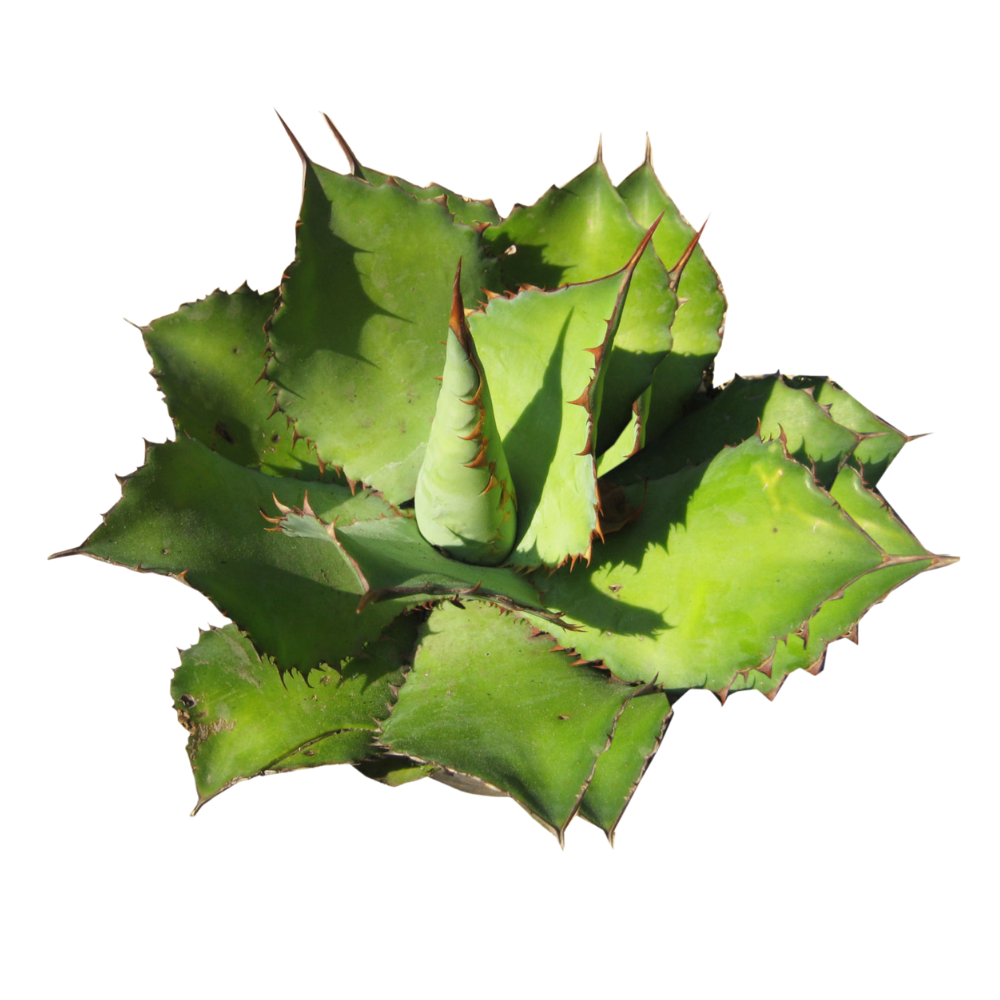
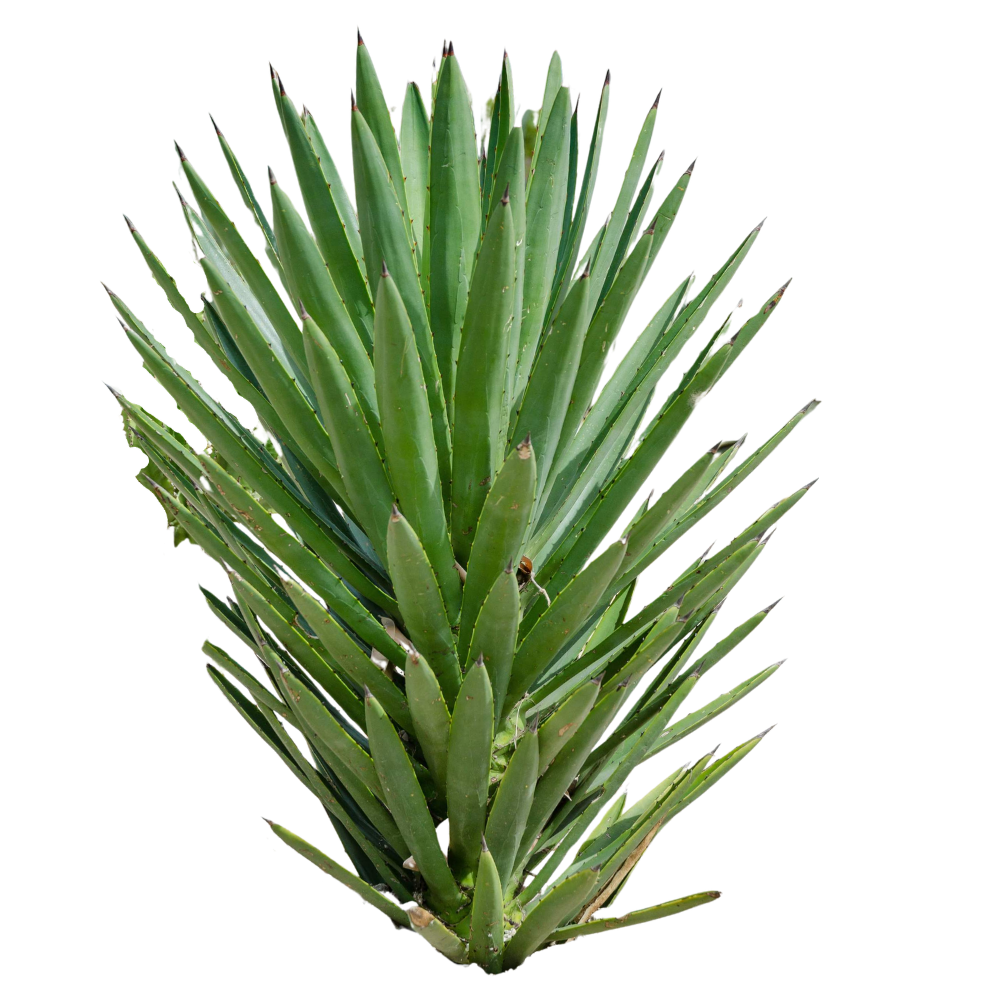

Geography
Where They Grow
Maturation
The Long Wait
Wild agave varieties like Tobala and Tepeztate can take up to 35 years to mature.
Tasting Notes
Flavor Profiles
Taxonomy
Family Tree
Genus Agave
200+ species
Cultivated for Spirits
~40 species
Tequila
1 variety
A. tequilana
Mezcal
6+ main varieties
A. angustifolia
A. potatorum
A. durangensis
A. cupreata
A. karwinskii
A. salmiana
Raicilla
5 varieties
De la Sierra
A. maximiliana
A. inaequidens
A. valenciana
De la Costa
A. rhodacantha
A. angustifolia
Conservation
Protecting the Future
The surge in global demand for mezcal has placed enormous pressure on wild agave populations. Species like Tobala (Agave potatorum) and Tepeztate (Agave marmorata) grow exclusively in the wild, taking 15 to 35 years to reach maturity. When harvested before they flower, they cannot reproduce, leading to steep population declines in key regions of Oaxaca, Guerrero, and Puebla.
Mexico’s NOM (Norma Oficial Mexicana) regulations increasingly require certified sustainable harvesting practices. The Consejo Regulador del Mezcal mandates traceability from field to bottle, and many producers now maintain nurseries to cultivate wild varieties from seed rather than harvesting mature plants. Community-led reforestation programs in Oaxaca have replanted tens of thousands of agave seedlings across degraded hillsides.
Agave reproduction depends heavily on bat pollination — particularly the Mexican long-nosed bat (Leptonycteris nivalis), itself an endangered species. Harvesting agave before it flowers removes a critical food source for these pollinators, creating a cascading ecological impact. Some progressive producers now leave a percentage of mature plants to flower, supporting both bat populations and genetic diversity within agave species.
35
years
Max wild agave maturation
200+
species
Total agave species
~40
species
Used for spirits
5
species
On IUCN watch list
“Every bottle of wild agave mezcal represents decades of patience — and a responsibility to ensure these plants survive for generations to come.”