

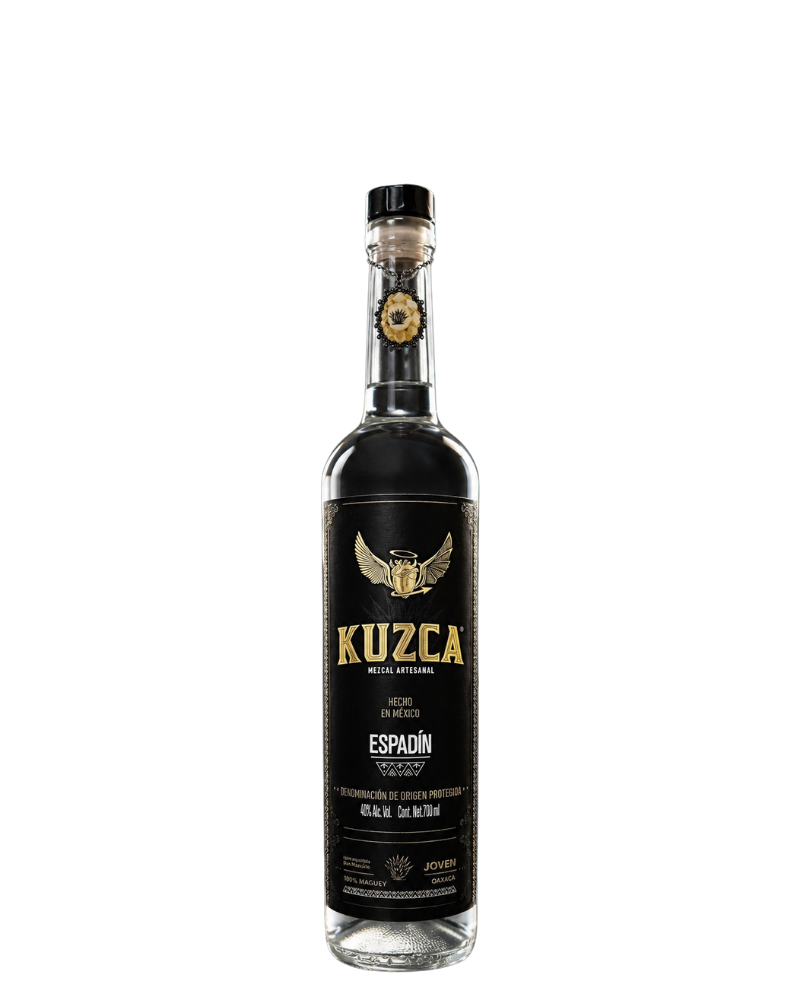
The Standard-Bearer
The most widely cultivated mezcal agave. In Casa Montaño's hands, it becomes a benchmark of craft. Sweet, with cooked agave opening into strong caramel character and dried fruit. Bold but smooth. Complex body.
Nose
Cooked agave, strong caramel, dried fruit
Palate
Sweet, bold, smooth with complex body
Finish
Warm, caramel, lingering
40% ABV · 700ml · Joven · Kosher
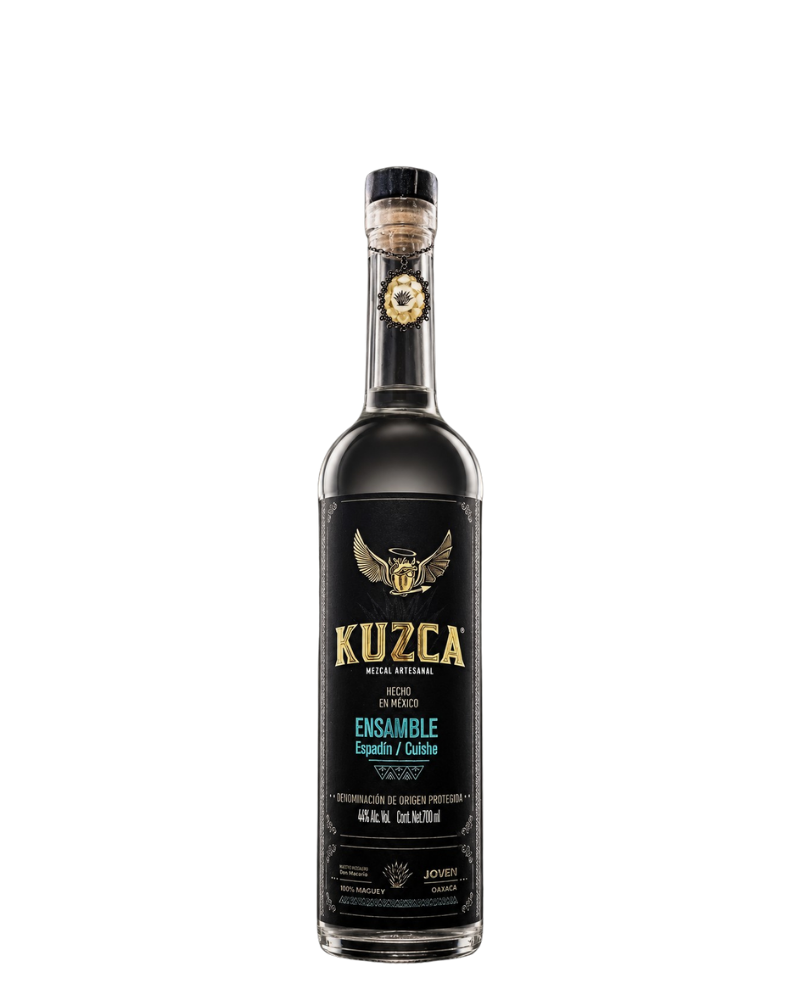
What happens when two agaves meet?
The Dialogue
Two agaves in conversation. Espadín provides sweetness and body; Karwinskii-family Cuishe contributes vegetal complexity and passion fruit notes. The most delicate expression. Irresistible balance.
Nose
Passion fruit (maracuyá), sweet agave, vegetal
Palate
Delicate, tropical, balanced sweetness
Finish
Elegant, clean, lingering fruit
44% ABV · 700ml · Ensamble · Kosher
And then there is the one you cannot farm.
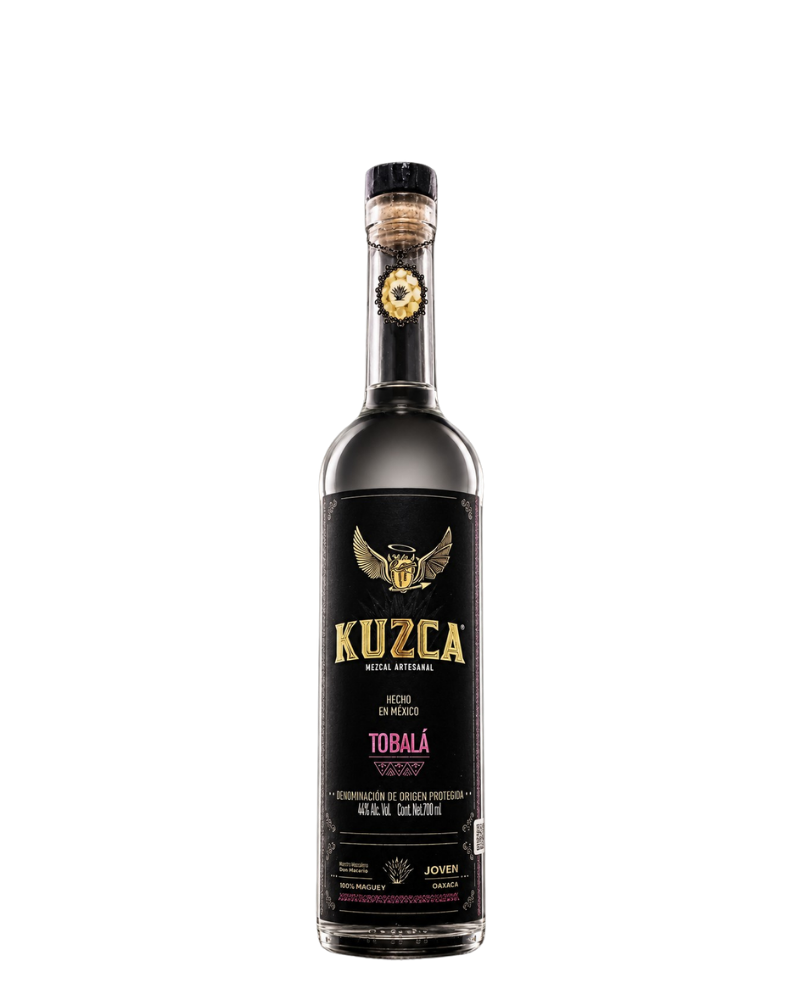
The Rarest
Wild-harvested. Twelve years in the ground before it reaches the still.
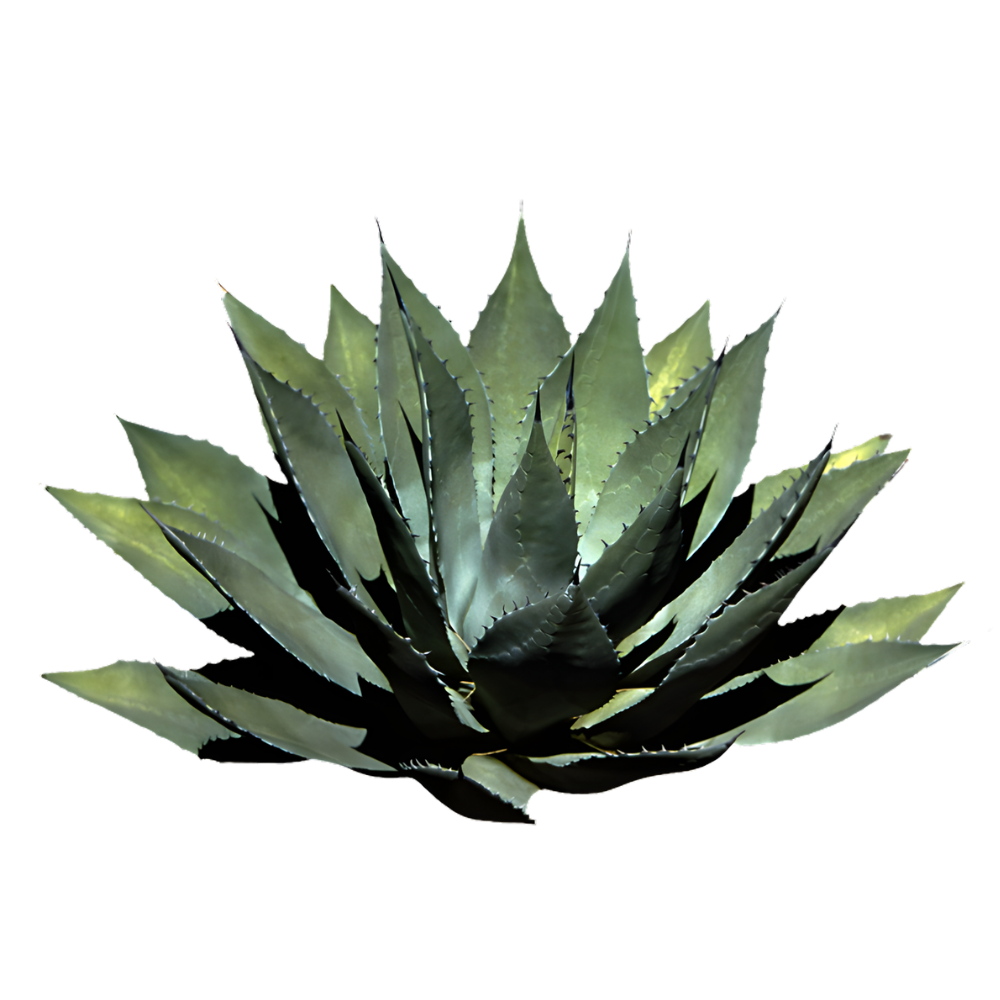
Agave potatorum. Wild-harvested. Tiny piñas, extremely low yield, 12–15 years to mature. Cannot be commercially cultivated at scale — each plant found and harvested individually. This expression alone justifies Kuzca's place in a premium portfolio.
Nose
Aromatic herbs, fresh, subtle
Palate
Slightly acidic, lemongrass, playful basil
Finish
Fresh, herbal, distinctive character
44% ABV · 700ml · Wild-harvested · Kosher
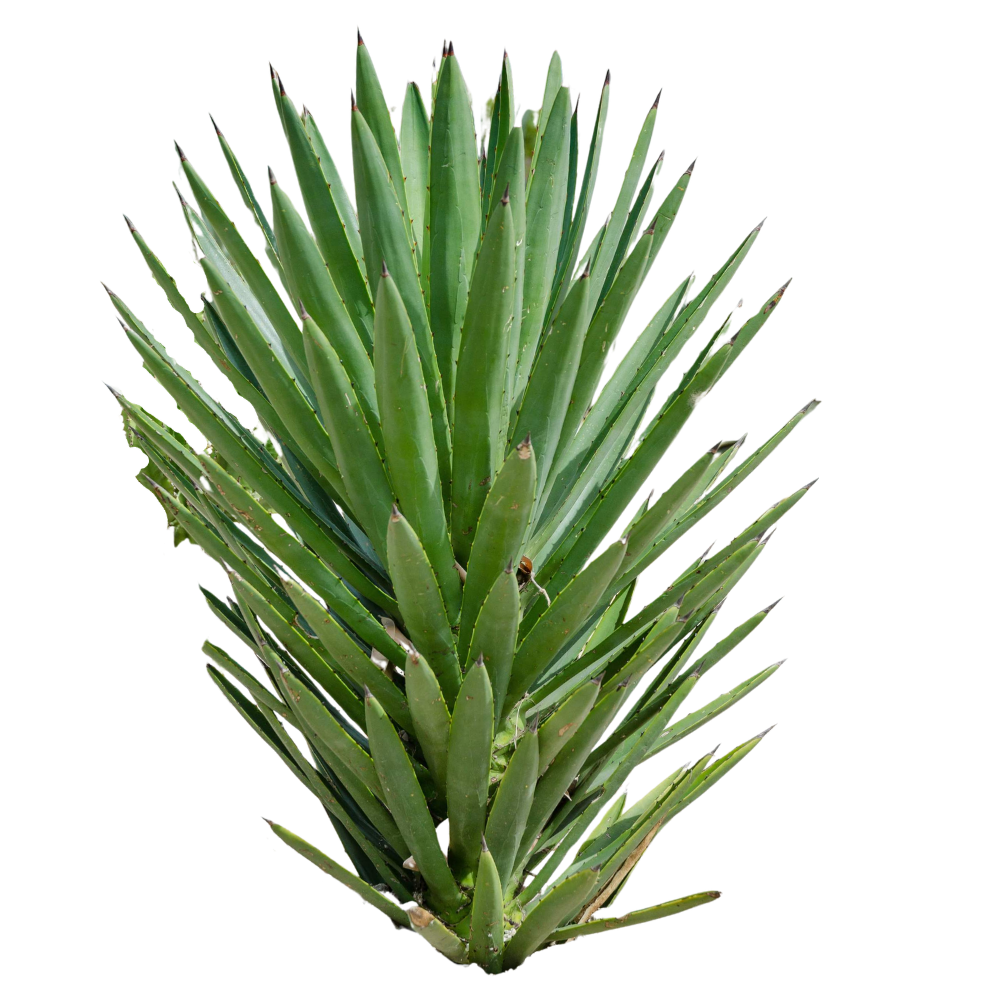
The Botany

The Producer
In Santiago Matatlán, where the tradition of mezcal runs deeper than memory, Casa Montaño operates a family palenque guided by Maestro Mezcalero Macario. The methods are unchanged: pit ovens fired with local wood, tahona-crushed agave, open-air fermentation, copper-still distillation.
The three expressions sit at different points on the same spectrum. Espadín is cultivated — the benchmark agave, and the one that lets a palenque work to a standard. Tobalá cannot be farmed at scale at all: it is found in the highlands around Santiago Matatlán and cut one plant at a time, after twelve to fifteen years. Cuishe sits between them. The land decides what is available. The mezcalero decides when it is ready. Between those two decisions lies everything.
Kuzca is made at Casa Montaño in Santiago Matatlán, Oaxaca — the world capital of mezcal. Espadín, cuishe and rare tobalá agave are roasted in earthen pits and distilled in the semi-arid valleys of the Tlacolula district.
Loading map...
Latitude
16.8667° N
Longitude
96.3833° W
Elevation
~1,740 m
Santiago Matatlán, Oaxaca, México
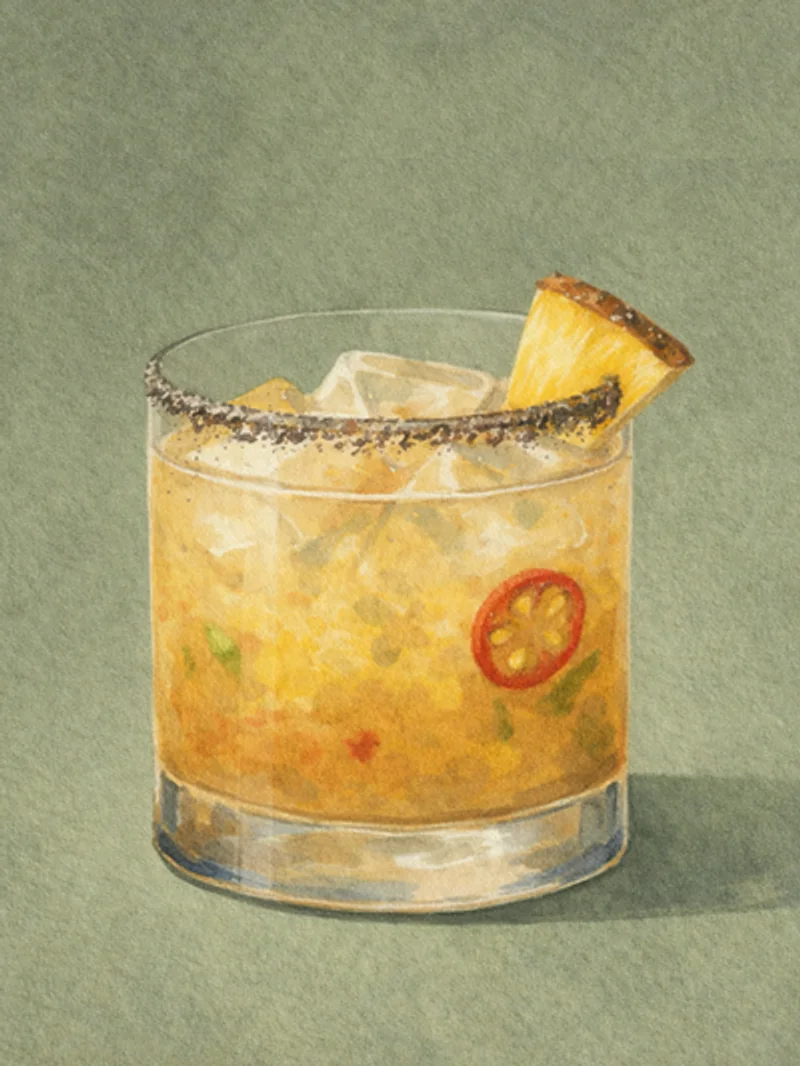
Ensamble (Espadín / Cuishe)
Chile and pineapple meet the Ensamble’s passion fruit. Heat, sweet, smoke.
Method
Shaken, double-strained into a rocks glass over ice. The Ensamble’s passion fruit notes meet tropical pineapple and the warmth of ginger and serrano. The piloncillo in the syrup connects the drink to its origin more than white sugar ever could.
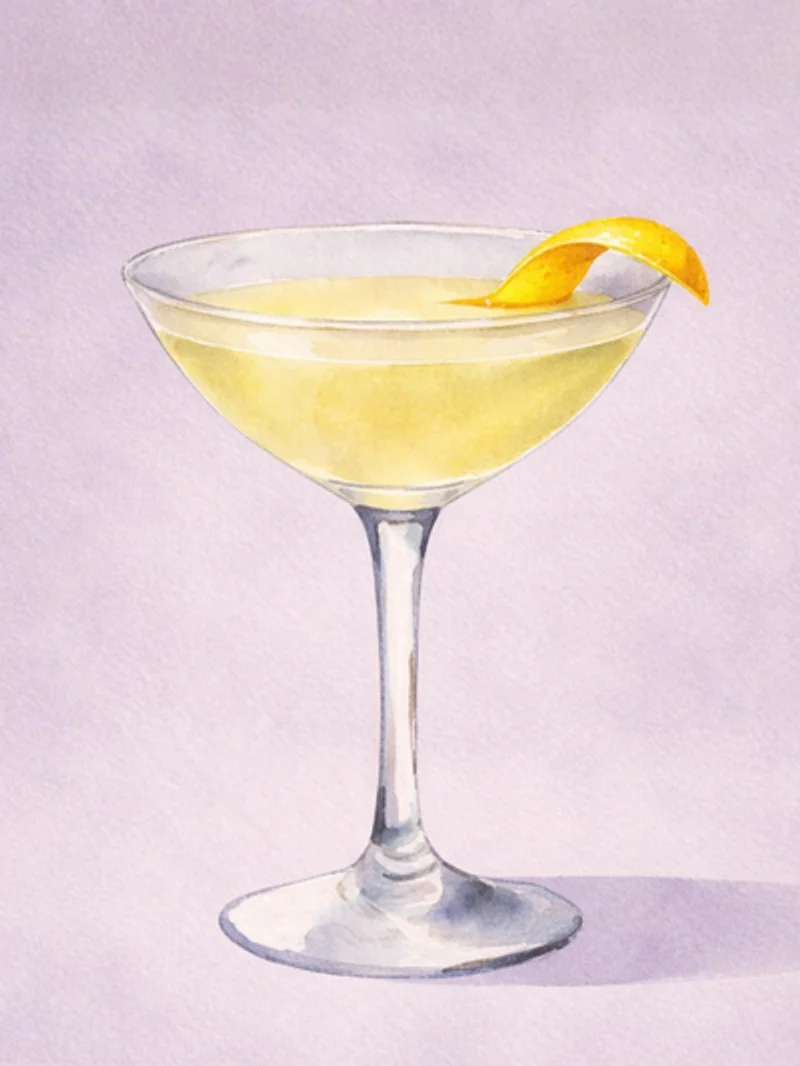
Ensamble (Espadín / Cuishe)
Bergamot and smoke. The European cocktail bar darling.
Method
Shaken, strained into a coupe. Italicus is the most bartender-loved Italian liqueur to emerge in the last decade. The bergamot’s floral bitterness against the Cuishe’s passion fruit creates something that belongs on a menu in Berlin, London, or Paris.
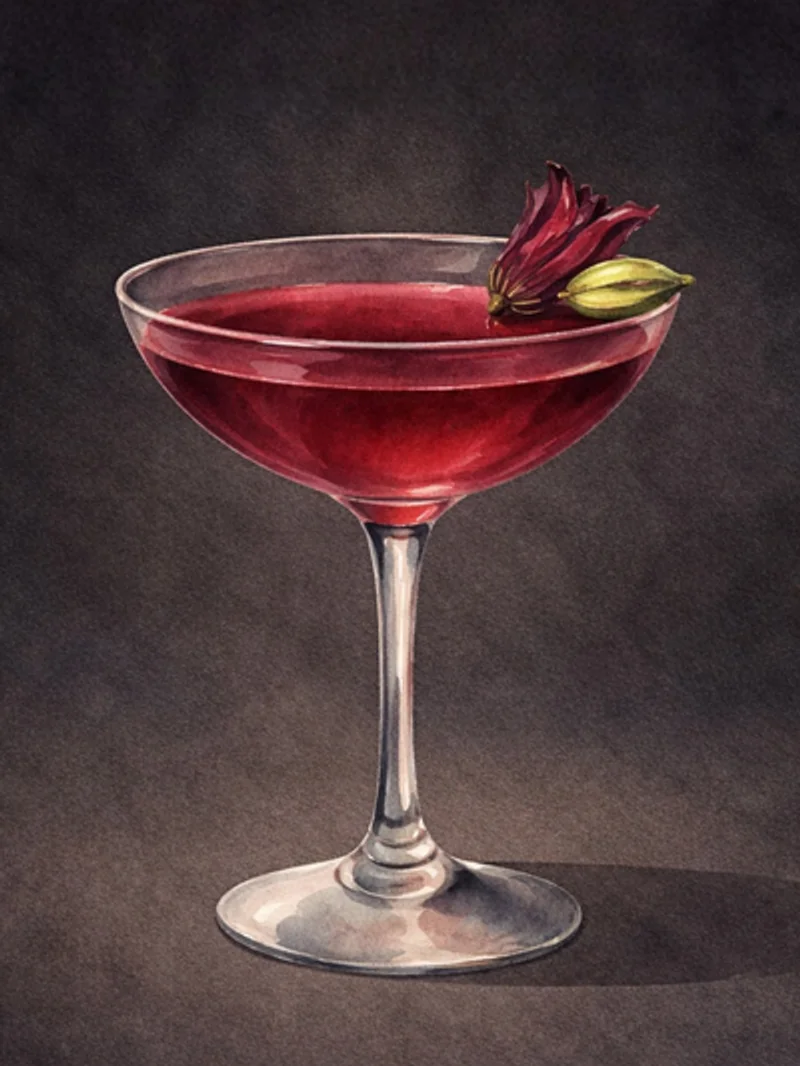
Espadín
Hibiscus, cardamom, smoke. Deep ruby, deeply memorable.
Method
Shaken, double-strained into a coupe. Garnish: dried hibiscus flower, cracked cardamom pod. Deep ruby color, Middle-Eastern-meets-Oaxacan aromatics, visually stunning in the glass.
Request samples, pricing, or detailed specifications for your market.
Request Samples & Pricing