THE STORY OF
Mezcal
The oldest agave spirit — where artisanal tradition, biodiversity, and terroir converge.
.png)
Origins & Ancient Roots
Mezcal is the ancestor of all agave spirits — a category older than tequila, older than Raicilla, and rooted in the deepest layers of Mesoamerican culture. Archaeological evidence suggests that agave was pit-roasted and fermented as early as 400 BCE, creating the precursors to the spirit we know today. The word 'mezcal' derives from the Nahuatl 'mexcalli,' meaning 'oven-cooked agave,' a name that speaks directly to the process that defines it.
When Spanish distillation techniques arrived in the 16th century, they were applied to these ancient ferments, producing the first true mezcals. But unlike tequila, which industrialized rapidly, mezcal remained in the hands of rural communities — the maestro mezcaleros who passed their knowledge through oral tradition, family apprenticeship, and an intimate understanding of local agave species. This continuity of craft, unbroken for centuries, is what gives mezcal its extraordinary diversity and depth.
Mezcal is not a product — it is a process, a community, and a living tradition that predates written record in the Americas.
At a Glance
DO Recognition
1994
Protected States
9
Agave Varieties
30+
Categories
3
Production Process
Harvesting
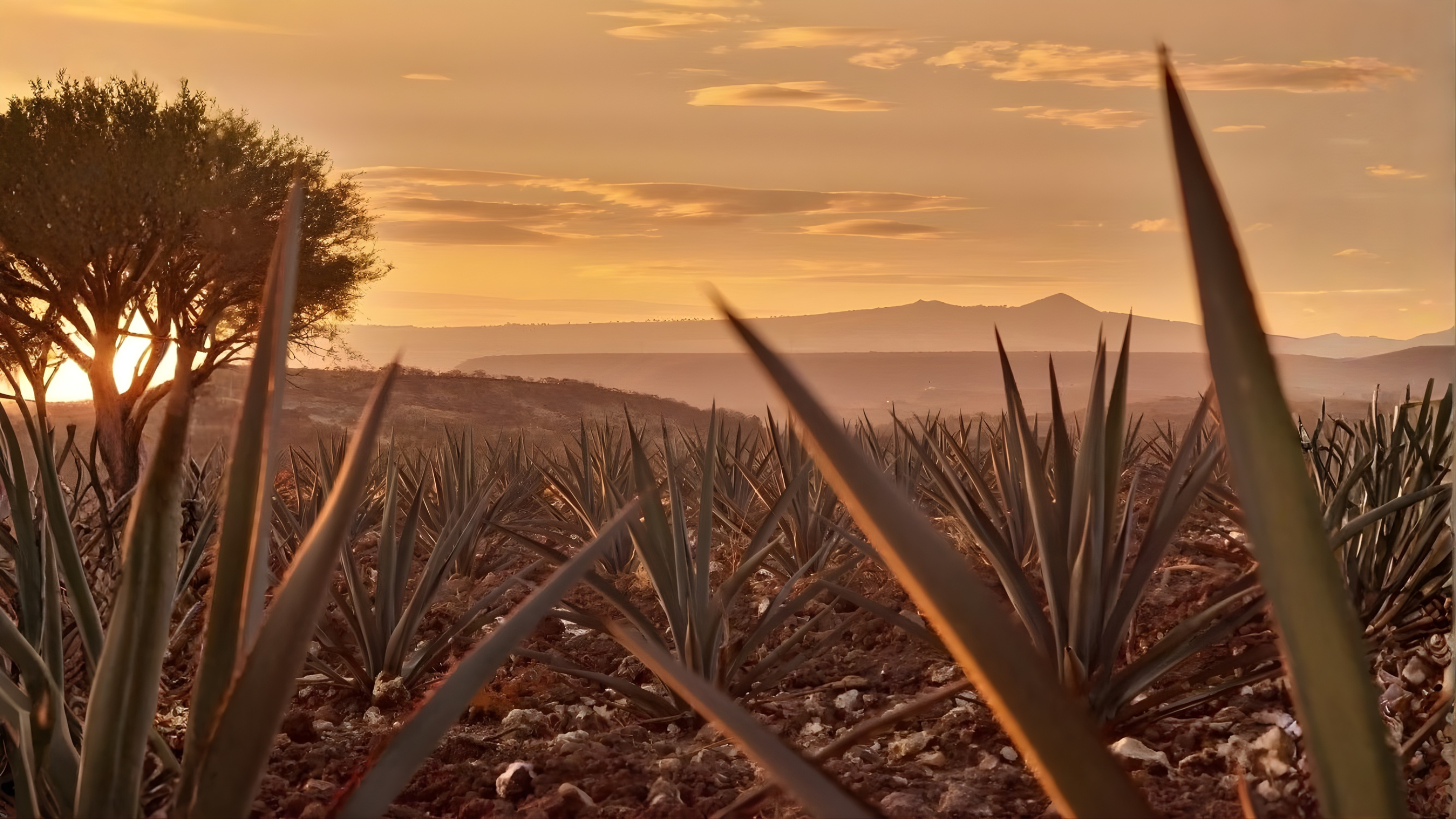
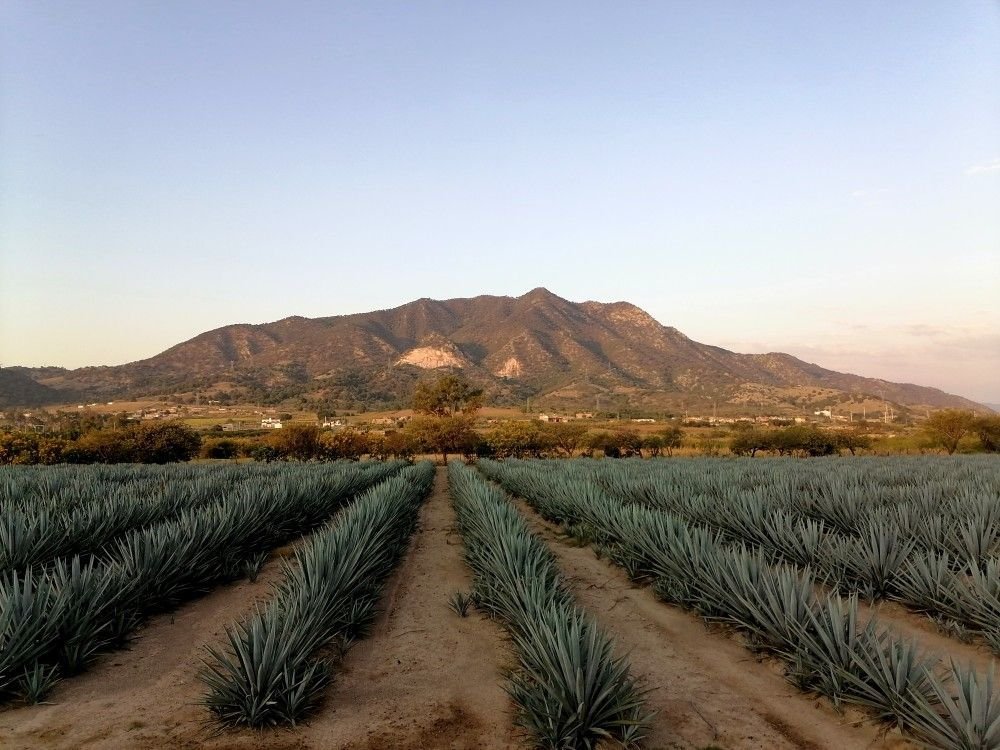
Agave is harvested by hand after 7–25 years depending on species. Wild agave (silvestre) is foraged from mountainsides; cultivated varieties are tended in small plots called milpas.
Pit Roasting
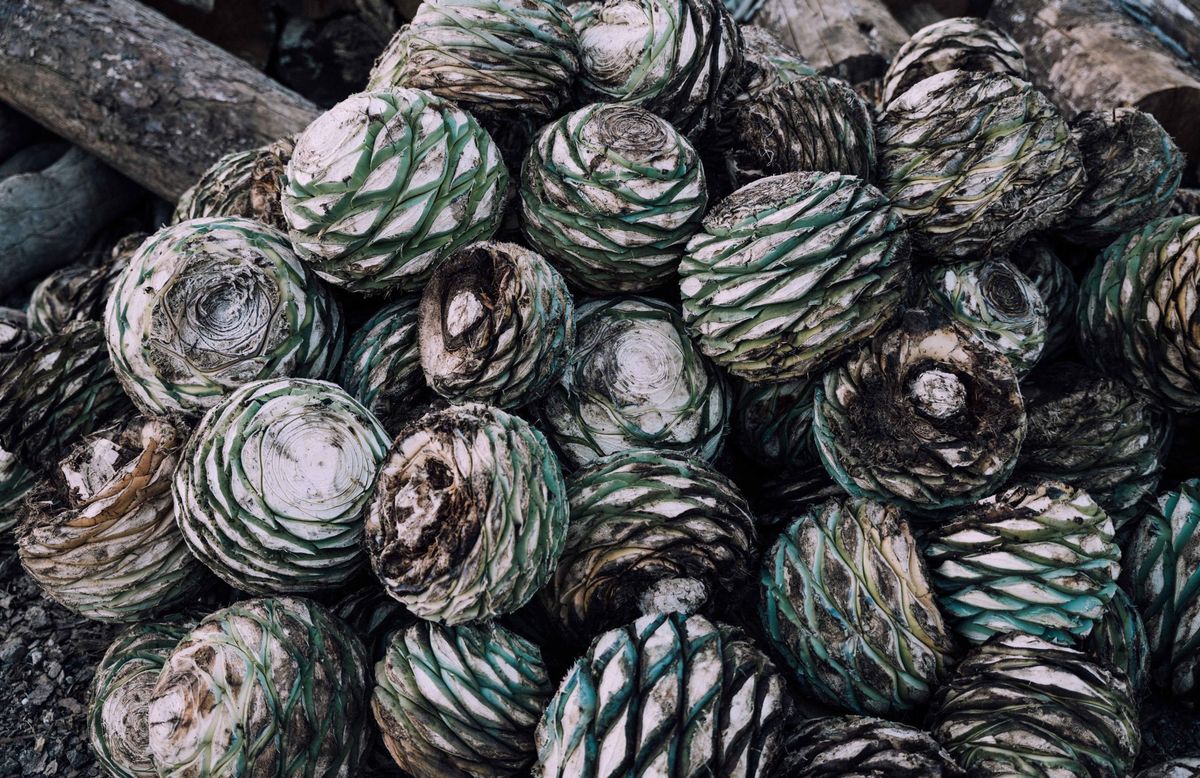
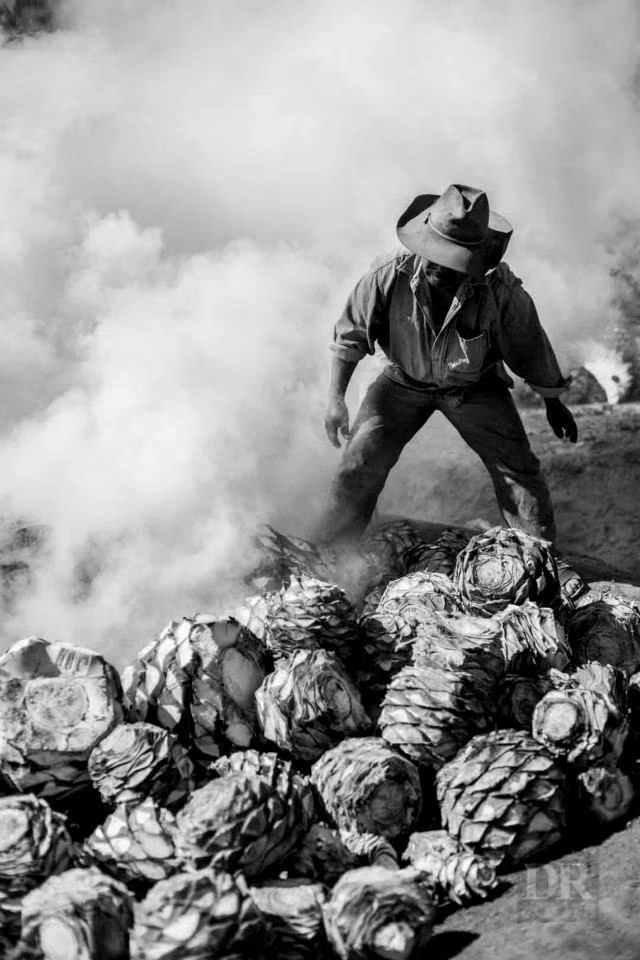
Piñas are roasted in earthen pits lined with volcanic rock and fueled by oak or mesquite. This 3–5 day underground cooking creates mezcal's signature smoky character.
Crushing
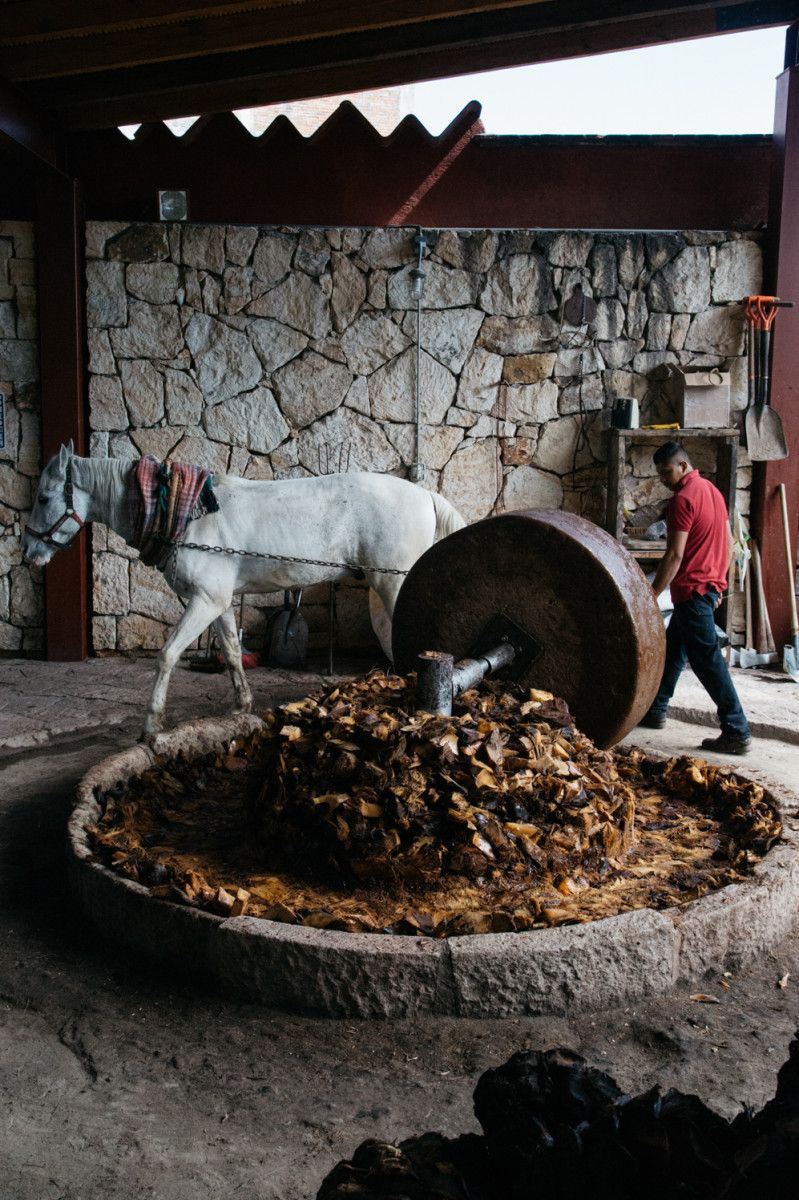
Roasted agave is crushed using a tahona (stone wheel pulled by horse), hand-mashing with wooden mallets, or mechanical shredders — each method yielding different flavor textures.
Fermentation
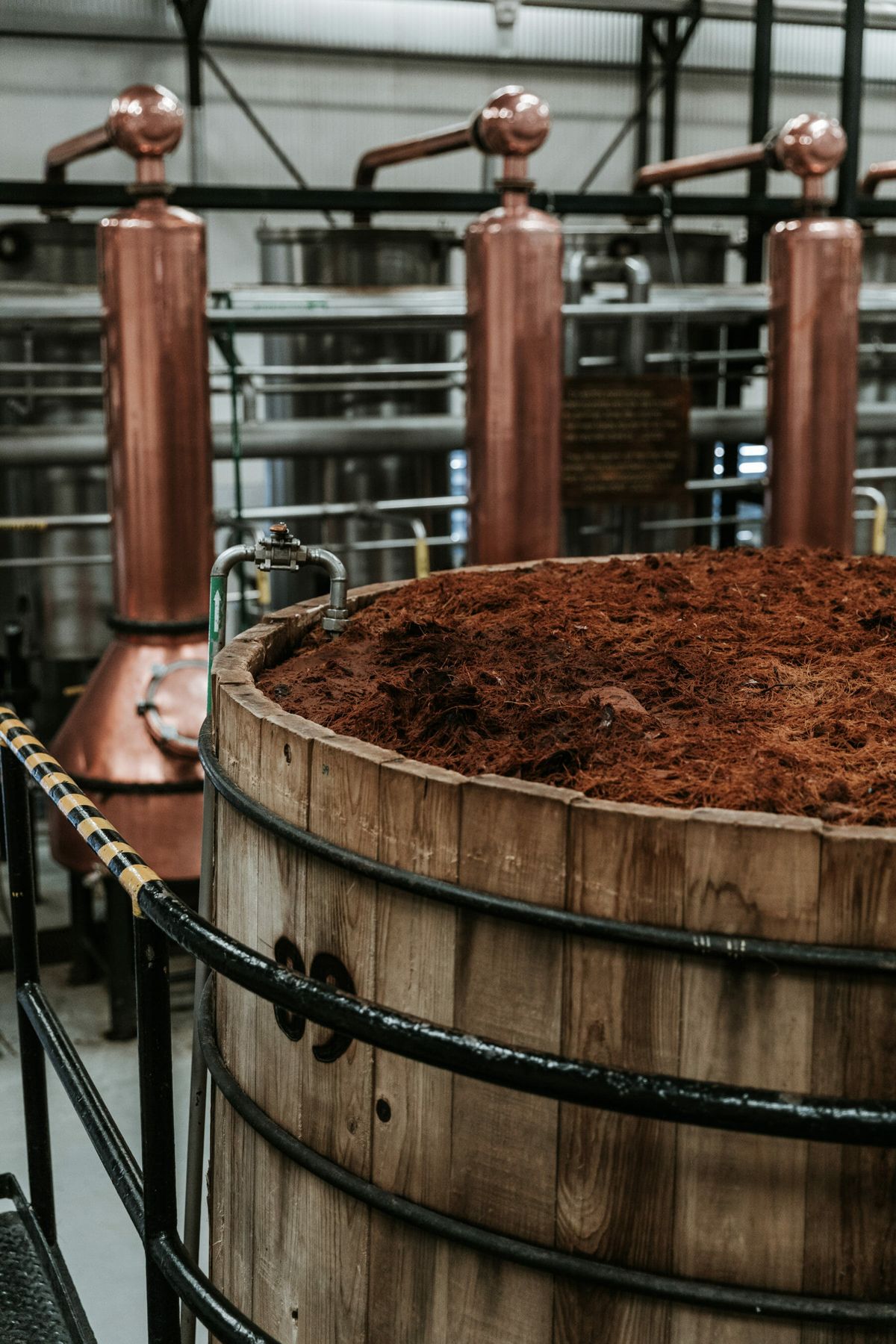
Open-air fermentation in wooden vats, stone troughs, or animal hides lasts 4–30 days. Wild ambient yeast and bacteria create complex, terroir-specific flavor development.
Distillation
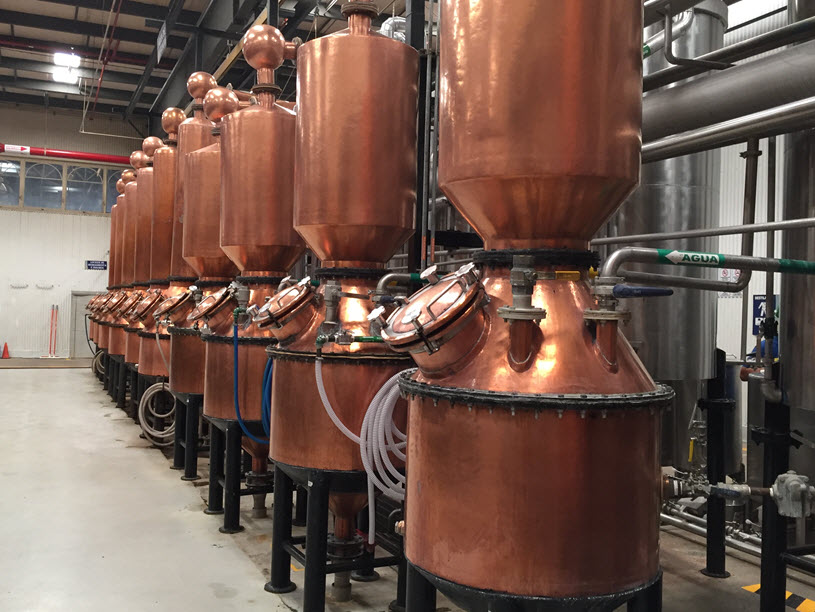
Distilled in clay pots, copper alembics, or Filipino-style stills. Typically double-distilled. The maestro mezcalero determines cuts by taste, touch, and the behavior of the pearl (perla).
Regions & Terroir
Mezcal's Denomination of Origin spans nine states, but the spirit's soul resides in Oaxaca, which produces over 85% of certified mezcal. Each region's agave, soil, and climate produce dramatically different expressions.
Primary Agave
Espadín
Oaxaca
Cenizo
Durango, Zacatecas
Cupreata
Guerrero, Michoacán
Salmiana / Mixed
SLP, Puebla, Gto, Tamps
Click any state for details
Cultural Significance
Mezcal is inseparable from the communities that produce it. The maestro mezcalero — the master distiller — is not merely a technician but a cultural guardian, carrying knowledge passed through generations. Their expertise is holistic: reading the agave's maturity by its quiote (flowering stalk), judging fermentation by sound and smell, determining distillation cuts by the formation of bubbles (perlas) on the spirit's surface. This is craft that cannot be automated or standardized.
“The maestro mezcalero does not follow a recipe — they follow the agave, the season, the fire, and generations of inherited intuition.
”
The CRM (Consejo Regulador del Mezcal) oversees the Denomination of Origin and classifies mezcal into three categories that honor the spectrum of production methods: Mezcal (industrial), Mezcal Artesanal (traditional tools and techniques), and Mezcal Ancestral (pre-industrial methods only — clay pot distillation, no mechanical crushing). This classification system protects the artisanal producers who are the soul of the category, ensuring that tradition has market recognition alongside scale.